Impact of Potency on Effects: How Cannabis Potency Impacts Effects
Understanding cannabis potency levels is the first step toward predictable cannabis effects Jersey City shoppers can rely on. This THC percentage guide breaks down how labels list THC concentration, as a percentage or in milligrams. Higher THC amounts raise the likelihood of negative health effects, so consumers compare labels and start low. Uforia Dispensary, a cannabis dispensary Jersey City residents trust, stocks lab-tested flower, vapes, and edibles with clear potency details.
Key Takeaways
THC concentration is listed as a percentage of total weight or in milligrams per serving on product labels.
Higher THC amounts raise the likelihood of negative health effects, so consumers compare labels and start low.
Format matters as much as the THC number; a 20% flower and a 20 mg edible do not deliver comparable experiences.
First-time users benefit from products with lower THC percentages for flower to gauge personal tolerance safely.
What Do You Need Before Comparing Potency?
Comparing potency starts with two pieces of information: a product’s THC number and the format it comes in. THC potency is expressed as a percentage of a product’s total weight or in milligrams per serving, and lab testing is how that number is measured. Without both figures in hand, a shopper cannot tell whether a 20% flower product and a 20% edible deliver comparable experiences. They do not.
Regulated markets require THC concentration on the product label, listed either as milligrams of THC or as a THC percentage. Shoppers should read that label before anything else.
What Should a First-Time Visitor Bring?
A valid 21+ ID is required, and ordering ahead saves time at pickup. Uforia Dispensary, a local dispensary in the Heights neighborhood of Jersey City, staffs knowledgeable budtenders who help customers compare products. The shop carries cannabis in several formats, including flower, pre-rolled joints, concentrates, edibles, topicals, and tinctures.
How Should a Shopper Prepare to Compare Products?
Bring a valid 21+ ID.
Order ahead online to shorten the pickup visit.
Note the intended format before reviewing THC numbers.
Read the label for milligrams or percentage.
Ask staff to explain how the Impact of Potency on Effects differs across formats.
Format matters as much as the number itself. A shopper who reviews cannabis potency in Jersey City before visiting arrives with clearer questions and leaves with a better match.
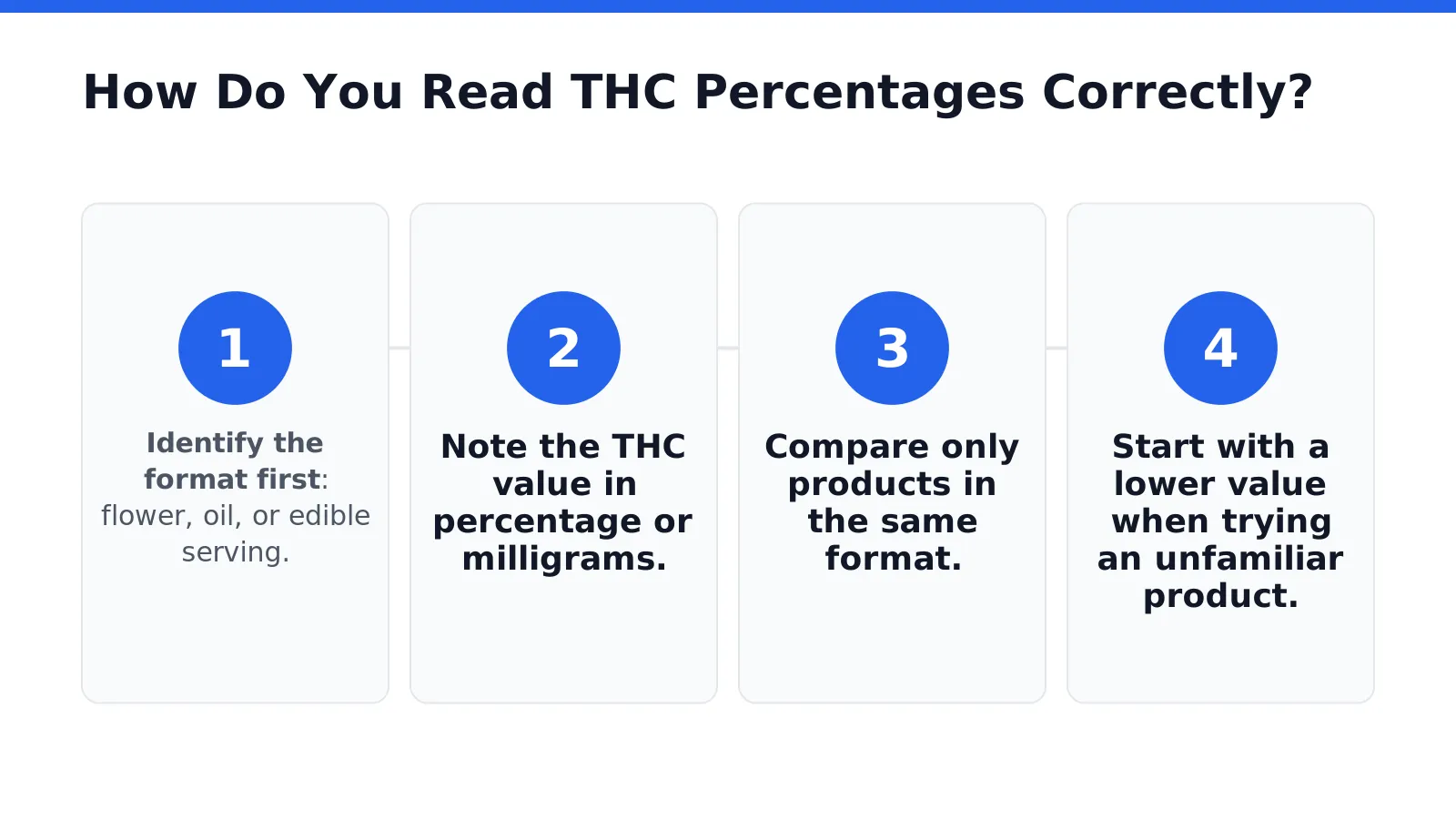
How Do You Read THC Percentages Correctly?
Reading a THC percentage correctly means treating the number as a concentration, not a score. Dried cannabis harvested in the 1990s carried lower THC concentrations, and concentrations have climbed steadily since then, according to the Washington State Liquor and Cannabis Board. That shift makes label literacy a safety skill, not a hobby.
Potency numbers help users predict the intensity of a product per gram of flower, milliliter of oil, or individual edible serving. Higher potency generally correlates with stronger psychoactive effects, which is why the percentage matters when choosing a product. The Impact of Potency on Effects is direct: more THC per unit means a stronger response.
What Does the Percentage Actually Measure?
The label expresses THC as a percentage of the product’s total weight or in milligrams per serving. A 20% flower label and a 20 mg edible label describe different delivery methods, so compare within formats, not across them. Uforia Dispensary lists verified products with clear pricing, which lets shoppers compare labels before checkout.
How Should a Shopper Use the Number?
Follow these steps to turn a label into a decision:
Identify the format first: flower, oil, or edible serving.
Note the THC value in percentage or milligrams.
Compare only products in the same format.
Start with a lower value when trying an unfamiliar product.
Research shows that the higher the amount of THC a person uses, the more likely they are to experience negative health effects. Shoppers weighing edibles and concentrates can review the edibles and concentrates dosage guide before choosing a starting point. At this local dispensary in Jersey City, budtenders help customers match cannabis potency to their goals.
How Do You Match Potency to Your Experience Level?
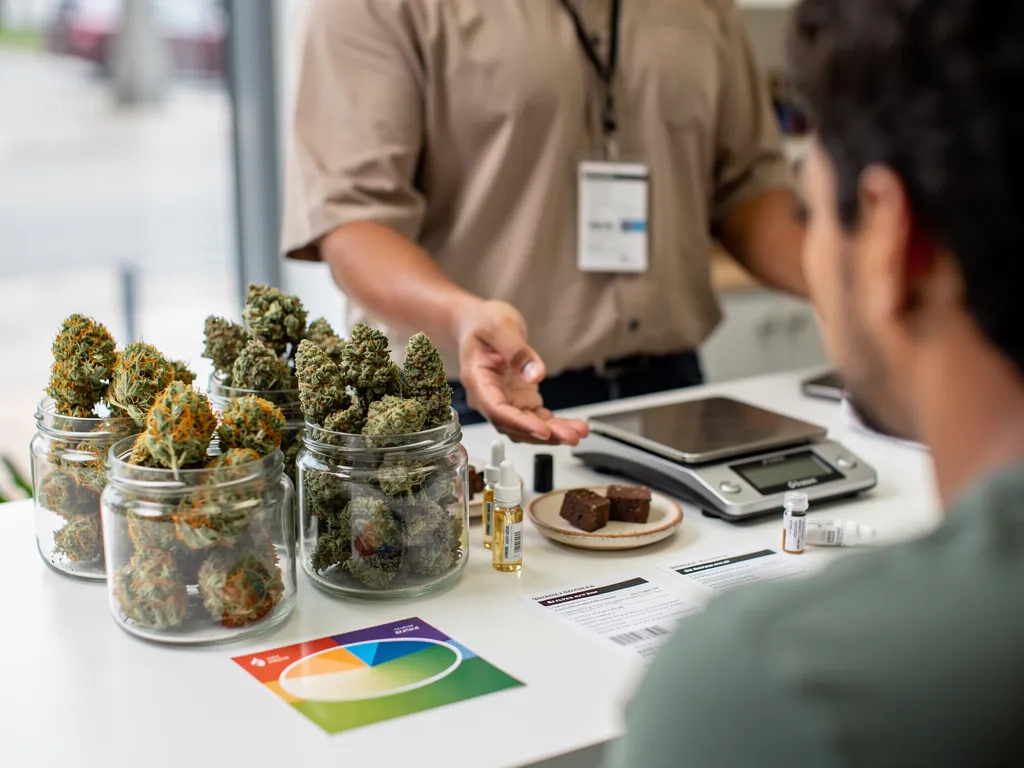
Matching potency to experience level starts with THC potency explained in practical terms: how concentration translates into real effects, and how low vs high THC flower changes the experience. Laboratory testing measures potency and indicates how much THC a consumer ingests per gram of flower, milliliter of oil, or individual edible serving. Without this knowledge, new users risk overwhelming psychoactive experiences that discourage responsible exploration. Experienced consumers miss targeted relief when potency selection becomes guesswork rather than strategy.
What potency range suits a first-time cannabis user?
First-time users benefit from products with lower THC percentages for flower. These levels deliver mild psychoactive effects while allowing the consumer to gauge personal tolerance. Uforia Dispensary curates its cannabis selection specifically for novice users and connoisseurs alike, spanning flowers, pre-rolls, concentrates, and edibles. Starting low and increasing slowly prevents the disorientation that derails an otherwise positive introduction.
How do experienced consumers choose the right potency?
Seasoned enthusiasts often select products with higher THC percentages for flower or concentrates. The Impact of Potency on Effects becomes more predictable with experience. These consumers understand their endocannabinoid response and can target specific outcomes, whether relaxation, creativity, or pain management. Uforia’s budtenders help first-timers and seasoned enthusiasts compare strains, formats, and potency for responsible use at the local dispensary in Jersey City.
Interpreting potency levels helps both new and experienced users make informed decisions and reach desired effects safely. The dispensary offers educational resources and events to help customers understand products and their benefits. A thoughtful match between potency and experience transforms cannabis from an uncertain experiment into a reliable wellness tool.
How Do You Dose High-Potency Products Safely?
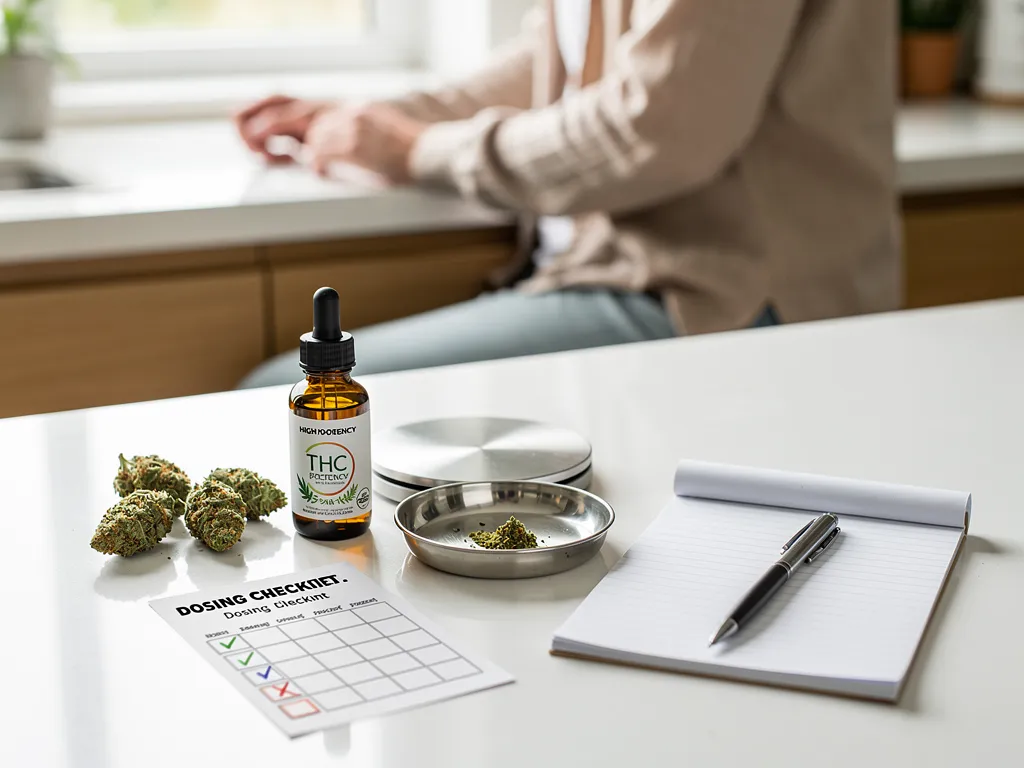
Safe dosing of high-potency products begins with understanding concentration labels. Rising THC concentrations in cannabis pose health risks, making cautious dosing essential. A measured approach prevents overwhelming psychoactive effects and unwanted side effects.
What Do THC Percentages and Milligrams Actually Mean?
Concentrates and dried flower display THC concentration as a percentage. A product labeled with a THC percentage contains a corresponding amount of THC per gram of material. Edibles and tinctures list potency in milligrams per serving. This distinction matters because the impact of potency on effects varies dramatically between inhaled and ingested formats. Inhaled THC enters the bloodstream within minutes. Edible THC metabolizes through the liver, producing a stronger, longer-lasting compound that peaks hours later.
How Should a New User Approach High-Potency Cannabis?
New users face greater risk from high-THC products. The Washington State Liquor and Cannabis Board notes that higher THC amounts increase the likelihood of negative health effects. A structured method reduces that risk:
Start with a microdose. Choose a product containing a low dose of THC for the first session.
Wait and observe. Allow two full hours before considering an additional dose with edibles. Inhaled products require a 15-minute observation window.
Increase incrementally. Add only a small amount per session until the desired effect is reached.
Track every session. Record the product, dose, and effects in a journal to identify a personal threshold.
Uforia Dispensary supports this cautious approach through its rotating weekly deals. Mondays bring 20% off edibles, and Fridays offer 20% off concentrates. These discounts let customers explore precise, low-dose formats affordably. The company provides compliant cannabis delivery across Jersey City and nearby towns. Prepayment online and a valid ID at drop-off complete the transaction securely. Customers seeking deeper safety guidance can review the cannabis and health information published by state regulators.
What Mistakes Should You Avoid With Potency?
Potency mistakes usually start with a false assumption about what cannabis is today. Dried flower harvested in the 1990s carried lower THC concentrations, according to the Washington State Liquor and Cannabis Board, so anyone who last used cannabis decades ago is working from an outdated baseline. That gap matters because higher THC amounts raise the likelihood of negative health effects. Avoiding the most common errors comes down to a few deliberate habits.
Do not assume today’s products match past experience. Treat every purchase as a new product with its own potency.
Do not skip the label. Regulated products must list THC in milligrams or as a percentage, which gives consumers a real basis for dosing.
Do not shop without guidance. Uforia Dispensary staff assist customers and match products to their goals.
Do not arrive unprepared. First-time visitors bring a valid 21+ ID and order ahead to save time at pickup.
Why Does Label Reading Matter So Much?
A label turns potency from a guess into a number. THC appears in milligrams or as a percentage, so consumers compare formats on equal footing. Skipping that step leaves dosing to chance.
How Do Shoppers Get Help With Potency?
Uforia Dispensary operates as a local dispensary in Jersey City, open daily for adults 21 and older. The company’s welcoming atmosphere includes knowledgeable staff ready to assist. Ordering ahead through the online menu keeps pricing clear before arrival. Understanding the Impact of Potency on Effects starts with these simple checks.
FAQ
Why should a shopper compare potency within the same format?
A 20% flower and a 20 mg edible do not deliver comparable experiences, so format matters as much as the THC number.
Conclusion
Potency becomes a reliable guide rather than a guessing game when consumers match THC levels to their experience and format. A label provides the starting point; a measured approach to dosing provides the control. Whether selecting a low-THC flower for a first session or a high-potency concentrate for targeted relief, the decision rests on reading the numbers and respecting the format. That discipline turns every purchase into an informed choice.