
Cannabis Dosage Guide: Safe Use of Edibles & Concentrates
Edibles and concentrates are popular ways to enjoy cannabis discreet, potent, and convenient. This guide walks you through the practical basics: how dosing works, how effects differ by product and method, and simple steps to avoid overconsumption. Whether you’re trying edibles for the first time or honing your routine, we explain safe dosing, onset and duration, microdosing tips, and common mistakes to avoid. We also include local, product-specific guidance from our team at Uforia Dispensary in Jersey City.
What are cannabis edibles and concentrates?
Edibles are food or drink infused with cannabis, a user-friendly option for people who prefer not to smoke. Concentrates are concentrated extracts, oils, waxes, and other dense forms, made to deliver higher cannabinoid levels, often vaped or dabbed. Knowing the difference helps you pick the right product for your needs.
How do edibles and concentrates differ in potency and effects?
The main differences come down to form and how your body processes them. Concentrates usually contain much higher cannabinoid levels, so effects can be stronger and quicker. Edibles take longer to kick in because they’re metabolized in the gut, the onset is slower but the effects often last longer. Both can be potent; the experience depends on dose, tolerance, and method. Recognizing how risk and potency vary across methods, like edibles versus smoking or vaping — helps you make safer choices.
Edible vs. Smoked Cannabis — Risk & Potency
Participants perceived that smoking and vaping carry more risk than ingesting edibles, and they saw higher-potency, THC-dominant strains as riskier than lower-potency, CBD-dominant ones; no clear difference was reported between the two higher-potency THC-dominant types.
Emerging adult perceptions of higher-risk cannabis consumption behaviours, LM Harris-Lane, 2023
What should adult cannabis users know about product quality?
Product quality comes from the lab to the shelf and from proper device care. Keep vaporizers clean to avoid residue that alters flavor and performance. Check reviews, warranty info, and vendor reputation before buying. Buying from licensed, reputable retailers ensures products meet safety standards and lets staff recommend options that suit your goals.
How to Calculate the Right THC Dosage for Edibles & Concentrates
Finding the right THC dose is the most important step toward a good experience. Use clear dosage labels, potency tables, or a dosage calculator to estimate how much THC you’re taking. Start low, go slow, and adjust based on how you feel.
What are recommended doses for beginners and experienced users?
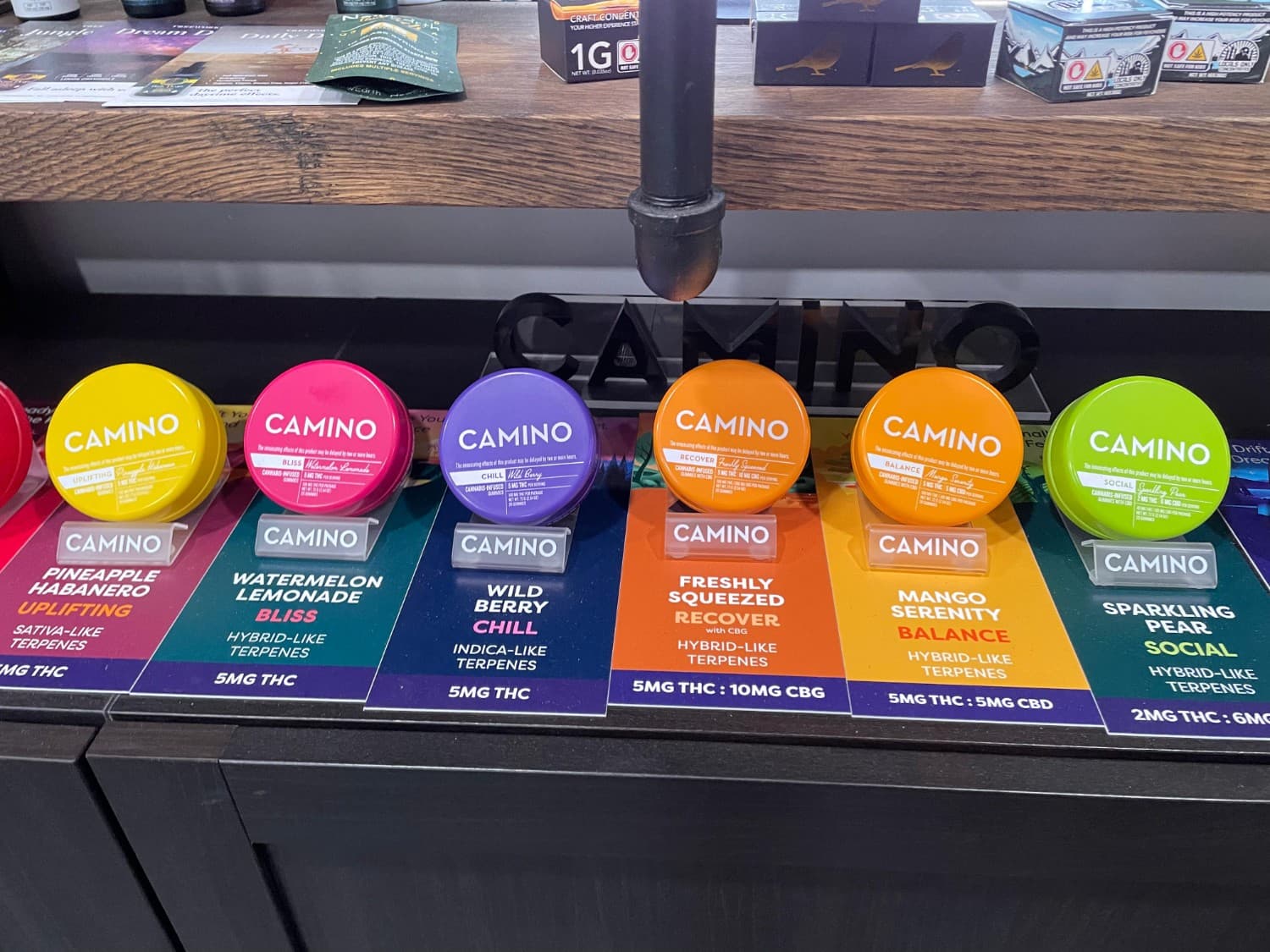
If you’re new to edibles, start low around 2.5–5 mg of THC. Regular or experienced users may use 10–20 mg or more depending on tolerance. Individual factors (weight, metabolism, prior experience) matter use these ranges as a starting point, not a rule. Research and industry guidance consistently recommend a cautious approach for people new to edibles.
Beginner Edible Dosage & Infusion Guidance
For first-time edible users, a 1–5 mg THC starting dose is commonly recommended. From there, you can calculate infusion amounts for recipes and adjust slowly as you learn your response.
Edibles: small bites for the modern cannabis kitchen, 2018
How can potency tables and dosage calculators help avoid overconsumption?
Potency tables and calculators translate product labels into usable numbers so you know how much THC is in a serving. Enter your weight, tolerance, and product strength to get a tailored suggestion then wait and reassess before taking more. Clear, standardized dosage labeling like a consistent THC unit and single-dose packaging, makes safer consumption easier.
Standardized THC Units & Edible Packaging
Communication practices such as using a standardized THC unit, listing dose amounts clearly, and packaging single doses separately help consumers calculate and control intake.
Cannabis edibles packaging: Communicative objects in a growing market, M Ventresca, 2022
Onset Time & Duration: How Long Edibles and Concentrates Last
Knowing onset and duration prevents surprises. Timing varies by product and method, so plan ahead and avoid stacking doses.
How does onset time vary between edibles and concentrates?
Edibles usually start to register between 30 minutes and 2 hours after ingestion. Concentrates, when inhaled or vaporized, act much faster often within seconds to a few minutes. If you don’t feel anything right away after an edible, wait before taking more.
What are typical duration times for different methods?
Edible effects commonly last 4–8 hours, sometimes longer depending on dose and metabolism. Concentrates often wear off in 1–3 hours. Use these windows to plan activities and avoid unexpected impairment.
What is microdosing and how can it help?
Microdosing means taking very small amounts of cannabis to get subtle effects, like clearer focus or reduced anxiety, without a full high. It’s a practical way to fine-tune benefits while staying functional.
How do I start microdosing edibles and concentrates?
Begin with 1–2 mg of THC and track how you feel. Keep a simple log (time, dose, effect) and increase in small steps only after assessing how each dose lands. Patience is key.
What are the benefits of microdosing for adult users?
Many people report better focus, milder anxiety relief, and subtle mood or creativity boosts with microdosing. It’s a low-risk way to access therapeutic benefits while maintaining daily routines.
How to Avoid Overconsumption and Common Dosing Mistakes
Overconsumption tends to come from impatience, mixing products, or misreading labels. Follow a few simple habits to reduce risk and enjoy a steady, predictable experience.
What are signs of overconsumption and how should you respond?
Signs can include anxiety, paranoia, dizziness, nausea, or a racing heart. If that happens, stay calm, move to a quiet place, sip water, and breathe. Light snacks and rest help. If symptoms are severe or persistent, seek medical help.
Which habits increase risk and how can you prevent them?
Common errors are: taking more before the initial dose has kicked in, mixing multiple cannabis products, and ignoring potency labels. Prevent them by starting low, waiting for the full onset, and asking dispensary staff for product-specific guidance.
Expert Dosage Tips and Guidance from Uforia Dispensary
At Uforia Dispensary we provide hands-on, local guidance for Jersey City customers so you can choose products and doses that match your needs and lifestyle.
How does Uforia tailor dosage guidance for Jersey City adults?
Our team knows local preferences and common use cases. We ask a few questions, recommend appropriate product types and dose ranges, and walk you through onset and duration expectations so you can consume safely and confidently.
Where can I find product-specific dosing information for Uforia’s edibles and concentrates?
Check product labels and online descriptions for exact THC and serving sizes. If you’re unsure, our staff is happy to explain dosing, suggest starting amounts, and help you compare products before you buy.
Conclusion
Safe cannabis use is simple when you have reliable information and clear labeling. Start with low doses, wait for effects, and choose products that fit your needs. For personalized advice, visit Uforia Dispensary in Jersey City, our staff will help you select the right product and dose so you can enjoy cannabis confidently and responsibly.