THC Tinctures: What to Expect and How to Stay Safe
THC tinctures are concentrated cannabis extracts blended into a carrier usually MCT or hemp seed oil and taken under the tongue or swallowed. Knowing their side effects matters for safe, everyday use in Jersey City. This guide lays out what tinctures are, how sublingual absorption differs from swallowing edibles, and why careful dosing plus lab-tested products lower risk for local consumers. You’ll find clear descriptions of common physical and psychological reactions, step-by-step advice for handling overconsumption, beginner-friendly dosing tailored to New Jersey users, and practical legal and safety checks to follow when buying tinctures. We also compare tinctures with edibles and vaporizers so you can pick the delivery method that fits your goals and tolerance. Throughout, the emphasis is on evidence-informed harm reduction, straightforward titration tips, and local context like where to find lab-tested options and staff who can answer dosing questions.
What Are THC Tinctures and How Do They Work?
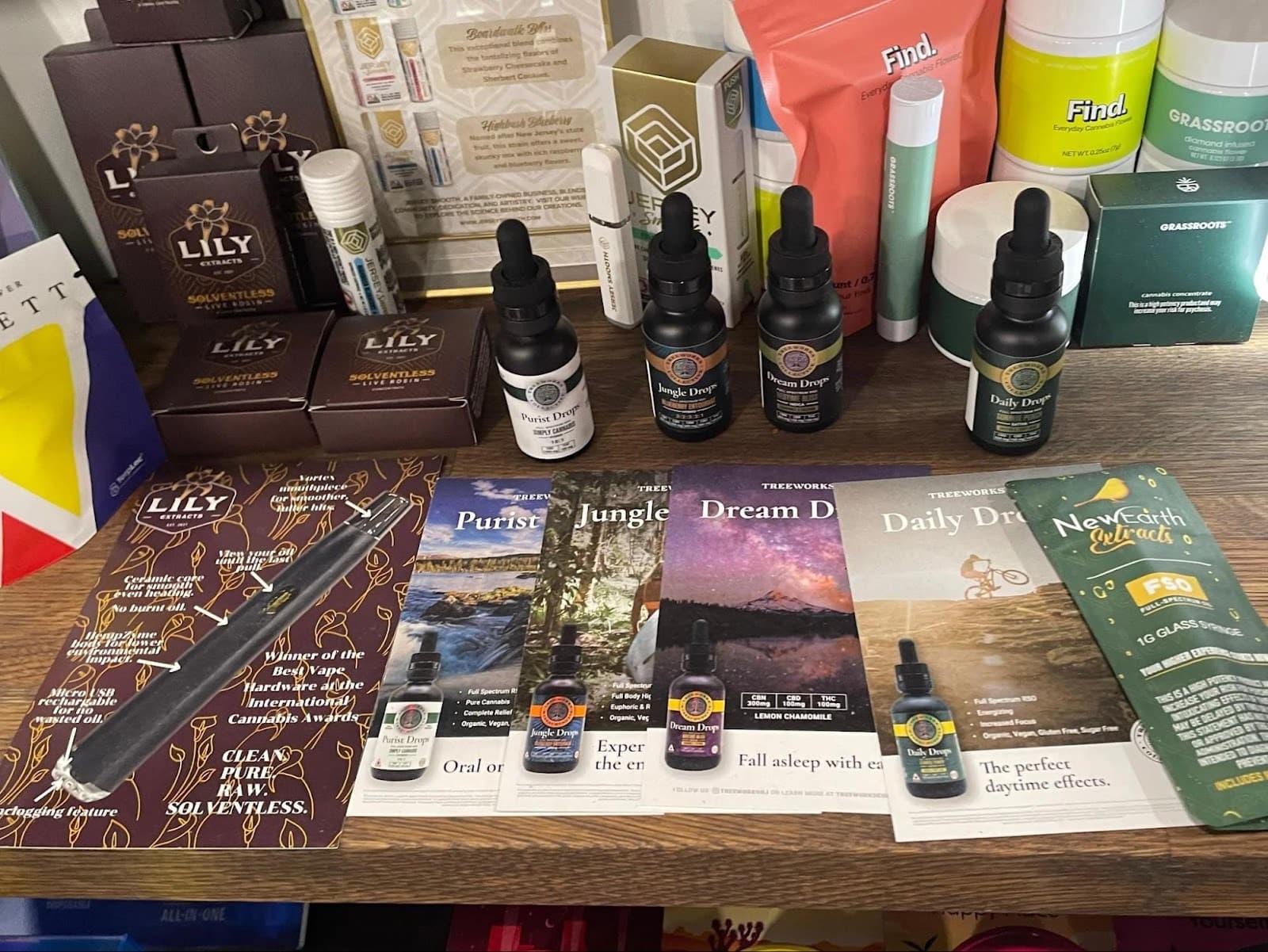
A THC tincture is a product where THC is dissolved into a liquid carrier most often MCT or hemp seed oil so you can dose it with a dropper. Taken sublingually, THC absorbs through the mouth’s mucous membranes and reaches the bloodstream faster than when swallowed, which usually gives a quicker, more predictable onset. That makes tinctures a good option for people who want a discreet, smoke-free method and precise micro-dosing. They sit between inhalation and edibles: faster than many oral products, but often longer-lasting than inhaled cannabis. Understanding this absorption route helps Jersey City users pick sensible wait times and titration steps to reduce unwanted reactions and get the best therapeutic effect.
What Is a THC Tincture and How Is It Used?
Most tinctures list THC concentration per milliliter and include a calibrated dropper so you can count drops or measure milliliters for repeatable dosing. For sublingual use, place the recommended amount under your tongue and hold it there for about 30–90 seconds before swallowing to boost mucosal absorption and limit first-pass metabolism. Labels usually show potency per mL and total THC per bottle, which lets you calculate milligrams per drop; always check the COA or label to confirm strength. Many people prefer small, frequent doses to manage symptoms while avoiding the respiratory effects of smoking. Reading potency labels carefully and using the same dropper technique each time improves predictability and cuts down on surprises.
What Are the Benefits of Using THC Tinctures?
Tinctures offer practical advantages over smoking and many edibles especially if you value dose control, discretion, and avoiding lung exposure. Droppers let you micro-dose in fine increments, which supports a “start low, go slow” approach and reduces the chance of overshooting your target. Tinctures are discreet and low-odor compared with combustion, and they’re easy to carry around in a city like Jersey City. When taken sublingually they can deliver relatively quick relief for sudden anxiety or pain flares, and many people prefer them as a smoke-free option with consistent potency. Those features make tinctures a solid choice for new users and experienced consumers who want controlled dosing.
What Are the Common Side Effects of THC Tinctures?
THC tinctures can produce a range of physical and psychological effects that usually depend on dose and individual sensitivity. Common physical reactions include dry mouth, red eyes, dizziness, faster heart rate, nausea, and tiredness. Psychological responses can range from calm and uplifted to anxious, paranoid, or mentally racing at higher doses. Risk grows with stronger THC concentrations, low tolerance, certain medications, and pre-existing conditions like heart or mental health issues. Knowing typical onset and duration for sublingual use sets realistic expectations and helps you decide when to use countermeasures or seek help. Below we break down common symptoms and give practical, action-oriented tips for managing them.
THC Routes of Administration, Effects, and Side Effects
Routes of administration (ROA) for THC include vaporizing (inhalation), oral sprays, edibles, other oromucosal/sublingual forms (capsules, oils, lozenges), transdermal topicals (lotions, balms, oils), intravenous routes (syringe) and rectal routes (suppositories). Pharmacology and pharmacokinetics vary widely by ROA. THC’s effects span cognitive changes, psychoactive effects, anti-inflammatory and muscle-relaxing properties, among others. It is also linked to side effects such as anxiety, short-term memory impairment, and potential immune changes. More human research is needed to fully establish THC’s medicinal roles.
Phytocannabinoids: Tetrahydrocannabinol (THC), SN Narouze, 2021
What Physical Side Effects Can Jersey City Users Expect?
When taken sublingually, physical effects from tinctures usually start within 15–60 minutes and can last several hours depending on dose and metabolism. Typical symptoms include dry mouth (xerostomia), red or bloodshot eyes, lightheadedness, temporary increases in heart rate, and occasional nausea or stomach discomfort. Most of these are self-limiting and improve with simple measures: drink water, sit or lie down in a safe spot, and snack on something light if low blood sugar is suspected. Seek medical help if you experience chest pain, severe breathing trouble, prolonged vomiting, or signs of cardiac or neurological distress. Knowing these timelines and simple mitigations helps reduce worry and supports safer use.
What Psychological Side Effects Are Possible with THC Tinctures?
Psychological responses can range from relaxed and uplifted to anxious, panicky, paranoid, or mentally racing especially at higher doses or in people prone to anxiety. THC can briefly affect cognition and short-term memory, causing brain fog or slower reaction times that impair driving and decision-making. Risk factors include high-potency THC, low prior exposure, stressful surroundings, and certain mental health conditions. Immediate steps moving to a calm place, practicing slow breathing, or staying with a trusted person often shorten episodes and prevent escalation. Recognizing triggers and adjusting dose accordingly helps keep experiences positive.
How Can Jersey City Users Manage and Prevent THC Tincture Side Effects?
Preventing and managing side effects combines careful dosing, practical countermeasures, and knowing when to seek professional care. The core prevention tool is titration start low and increase slowly while staying aware of drug interactions and your medical history. Quick responses to overconsumption include hydrating, eating, breathing exercises, and using CBD as a possible way to blunt THC’s psychoactive effects (responses vary). Know the clear red flags for emergency care chest pain, severe disorientation, trouble breathing so you can act fast in rare but serious situations. Below are practical steps for prevention and immediate response tailored to tincture use.
How Does “Start Low, Go Slow” Help Reduce Side Effects?
“Start low, go slow” refers to beginning with the smallest effective dose and raising it gradually to avoid overshooting and acute reactions. For beginners, an initial sublingual dose of 2.5–5 mg THC followed by a 60–90 minute wait lets you assess effects before adding more sublingual onset is faster than swallowed edibles but still needs time to develop. Small increases of about 2.5 mg are common when needed, and tracking dose, setting, and effects helps you find a consistent maintenance dose. This method lowers anxiety around dosing, supports safer titration, and helps Jersey City users reach predictable symptom control.
What Are Effective Ways to Counteract THC Tincture Adverse Reactions?
If someone feels uncomfortably high from a tincture, simple non-drug steps often help: sit or lie down in a quiet, safe space, hydrate, eat a bland snack, and practice paced breathing to calm heart rate and anxiety. CBD in moderate amounts is frequently suggested as a counterbalance to THC’s psychoactive effects because it can modulate subjective intoxication individual results vary. Other helpful tactics include distraction with soothing activities, moving to a cooler, quieter environment, and avoiding stimulants like caffeine that can worsen rapid heartbeat or anxiety. If symptoms worsen or include severe vomiting or cardiopulmonary signs, seek emergency care immediately.
When Should You Seek Medical Help for THC Tincture Side Effects?
Get immediate medical attention for chest pain, difficulty breathing, fainting, seizures, severe or prolonged vomiting that causes dehydration, or acute psychosis (persistent hallucinations or dangerously disorganized behavior). For concerning but less acute symptoms such as long-lasting severe anxiety, suicidal thoughts, or medication interactions that affect heart rhythm contact a healthcare provider or pharmacist to review risks. Be aware that benzodiazepines and other sedatives can interact dangerously with THC’s sedative effects, so seek professional guidance when multiple medications are involved. Knowing these red flags helps Jersey City users act quickly and avoid complications.
What Are the Safe THC Tincture Dosage Guidelines for New Jersey Users?
Safe tincture dosing depends on personal factors. New Jersey users should start conservatively and follow structured titration to limit side effects. Key variables include metabolism, prior cannabis use, body composition, age, and medications that affect CYP450 enzymes. For many beginners, a 2.5–5 mg THC starting dose with clear waiting intervals balances relief and safety; experienced users may need higher maintenance amounts. Track dose, setting, and effects to build a personal dosing profile and support safer long-term use. The table below is a quick reference for different user types and suggested titration approaches.
Use the introductory dosing guidance below to choose a careful starting point and a plan for gradual increases.
| User Type | Recommended Starting Dose (mg THC) | Titration Steps | Notes/Precautions |
|---|---|---|---|
| Cannabis-naïve adult | 2.5 mg | Wait 60–90 min; increase by 2.5 mg if needed | Start in a calm setting; avoid driving |
| Light or infrequent user | 5 mg | Wait 60–90 min; increase 2.5–5 mg increments | Monitor heart rate and anxiety |
| Regular user / tolerance present | 10–15 mg | Adjust upward in 5 mg steps weekly | Consider a tolerance reset periodically |
| Older adults / polypharmacy | 2.5 mg or less | Very slow titration; consult clinician | Review medications for interactions |
These ranges are conservative starting points; individual responses vary, so track outcomes and consult a clinician when combining tinctures with prescription drugs. Recording effects supports safer, evidence-informed adjustments.
Jersey City’s Guide to Preventing & Managing THC Tincture Side Effects
New Jersey’s adult-use cannabis rules require purchases from licensed dispensaries and enforce age limits, and consumers should favor products with clear labels and third‑party lab certificates. Licensed retailers should provide COAs that confirm potency and screen for contaminants, reducing the risk of mislabeled THC levels or unexpected additives. Check labels for total THC per bottle, mg per serving, carrier oil listed (e.g., MCT or hemp seed oil), and batch-level lab results when available. Also be aware of drug interaction risks and populations who should avoid tinctures such as pregnant or breastfeeding people to protect public health. The table below lists practical checkpoints to verify before buying a tincture.
Cannabis Product Formulations, Titration, and Adverse Effects
The primary active cannabis compounds are THC and CBD, each with specific indications, contraindications, drug interactions, and titration approaches. Common product categories include THC-dominant, CBD-dominant, and mixed-ratio formulations. Cannabinoid-based treatments are individualized, and slow titration is essential to reduce adverse effects especially for frail or cannabis-naive patients. The risk of cannabis use disorder should be considered for long-term use.
Choosing a product, route of administration, initial dosage, titration, monitoring and management of adverse effects, 2022
Buying from licensed sources and checking labels are critical steps. The table below clarifies what to confirm on packaging and lab reports before using a tincture.
| Topic | NJ Requirement/Guidance | What Consumers Should Check |
|---|---|---|
| Purchase source | Licensed dispensary sales only | Confirm product is sold by a licensed retailer |
| Labeling | Clear potency and serving size | Verify mg THC per mL and per serving on label |
| Lab testing | Third-party COA required | Request or view COA for potency and contaminants |
| Age limits | 21+ for adult-use purchases | Carry valid ID at point of sale |
Prioritizing lab-tested products with readable labels lowers the chance of dosing mistakes and exposure to contaminants. Checking these elements before purchase is a practical way to use tinctures more safely in Jersey City.
What Are New Jersey’s Cannabis Laws Affecting THC Tincture Use?
New Jersey’s adult‑use framework centers on licensed dispensaries selling regulated products to adults and emphasizes accurate labeling and third‑party lab testing to protect consumers. Buying from a licensed retailer means products have undergone standard testing for potency and common contaminants, which aligns with state safety expectations and reduces legal and health risks. For Jersey City users, this translates to choosing tinctures with transparent labels and certificates of analysis that confirm THC content and the absence of harmful residues. Purchasing licensed products also ensures compliance with local rules and gives consumers recourse if a product is mislabeled.
What Drug Interactions Should Jersey City Users Be Aware Of?
THC is metabolized in part by hepatic CYP450 enzymes, so drugs that inhibit or induce these enzymes like certain anticoagulants, sedatives, and some antidepressants can change THC levels and raise side-effect risk. Combining THC with sedatives, benzodiazepines, or large amounts of alcohol can add central nervous system depression, increasing drowsiness or respiratory risk. Cannabinoids may also alter blood thinner metabolism, so people on anticoagulants should check with their prescriber or pharmacist before using tinctures. When uncertain, review all prescription and over-the-counter medications with a clinician to assess interaction risk and adjust dosing safely.
Who Should Avoid or Use Caution with THC Tinctures?
Certain groups should avoid or use extra caution with THC tinctures: pregnant or breastfeeding people, adolescents, individuals with a history of psychosis or serious heart disease, and those taking multiple medications that affect metabolism. Pregnant and breastfeeding people are advised to avoid THC because of potential risks to fetal and neonatal development, while those with significant psychiatric histories may face heightened risk of symptom worsening. Older adults and people managing many medications need conservative dosing and medical oversight due to altered clearance and interaction potential. When alternatives are appropriate, clinicians may suggest CBD-only products or other therapies after an individualized risk–benefit discussion.
How Do THC Tinctures Compare to Other Cannabis Products in Terms of Side Effects?
Tinctures sit between edibles and inhalation products in onset, duration, and dose predictability, and each route carries different trade-offs for side effects. Sublingual tinctures usually act faster than swallowed edibles but slower than inhaled vapes, and they tend to produce intermediate durations with more consistent dosing than homemade edibles. Side effects differ by route: inhalation offers rapid, intense effects with greater respiratory risk, while edibles bring delayed onset and a higher chance of accidental overconsumption. Choosing the right product depends on priorities speed, duration, discretion, or dose control and on medical factors like lung health and sensitivity to delayed effects.
What Are the Differences in Onset and Duration Between Tinctures, Edibles, and Vapes?
Onset and duration follow the absorption route: vaping gets THC into the bloodstream within minutes, with effects peaking quickly and often fading within 1–3 hours. Oral edibles can take 60–180 minutes to start and may last 6–12 hours because of first-pass metabolism. Sublingual tinctures typically begin within 15–60 minutes if held under the tongue and often last about 4–6 hours depending on dose and metabolism, offering a balance of predictability and moderate duration. These differences matter for planning activities and dosing: tincture users can titrate more confidently than edible users while avoiding inhalation’s respiratory effects. Understanding these dynamics helps with safer timing and dose choices.
The table below gives a quick comparison of onset, duration, and best use cases for each delivery method.
| Product Type | Onset | Typical Duration | Common Side Effects | Best Use Case |
|---|---|---|---|---|
| Tinctures (sublingual) | 15–60 min | 4–6 hours | Dry mouth, dizziness, anxiety at high dose | Precise dosing, discreet use |
| Edibles (oral) | 60–180 min | 6–12 hours | Delayed overconsumption, strong sedation | Long-lasting symptom control |
| Vapes (inhalation) | Minutes | 1–3 hours | Rapid intoxication, respiratory irritation | Fast relief, short duration |
How Do Side Effects Vary Among THC Tinctures, Edibles, and Vaping?
Side-effect patterns differ by route: edibles are prone to delayed overconsumption and longer impairment, vaping can cause sudden intensity and possible respiratory irritation, and tinctures offer moderate onset with controlled micro-dosing that reduces some risks. Because tinctures avoid pulmonary exposure, they’re often better for users with respiratory concerns but dosing precision remains essential to prevent psychological side effects. Edibles demand especially conservative titration because their delayed onset can lead to re-dosing, while inhaled methods should be used cautiously by people with cardiovascular or pulmonary vulnerabilities. Picking the right method depends on your goals and medical profile.
Why Choose Uforia Dispensary for Safe THC Tincture Use in Jersey City?
Uforia Dispensary is a licensed Jersey City dispensary that puts quality and consumer safety first through lab-tested products and helpful staff. We offer a variety of cannabis items, including tinctures, and provide both in-store shopping and a trusted delivery service to Jersey City and nearby towns making it easier to access verified products. Our team can walk you through dosing, read labels and COAs with you, and share harm-reduction tips. We also run a loyalty rewards program to support returning customers. Choosing a licensed retailer with transparent testing and experienced staff lowers the risk of mislabeled potency and gives you tailored dosing guidance.
How Does Uforia Ensure Quality and Safety of THC Tinctures?
Uforia follows lab‑testing and quality assurance practices to promote product consistency and consumer safety, and we prioritize items that come with transparent labeling. Our staff can help you interpret potency information and certificates of analysis so you can dose more confidently and avoid unexpected reactions. We source from regulated suppliers and keep inventory that meets state testing standards. These practices make potency and contaminant information available at the point of sale and support safer consumer choices.
What Expert Guidance Does Uforia Provide for Managing Side Effects?
Our team can advise on “start low, go slow” titration, simple techniques to ease mild adverse reactions, and product selection based on tolerance and goals. You can get in-store consultations or use our delivery service with staff guidance included to help manage dosing and expectations. Lab-tested tinctures, staff counseling, and local delivery create a supportive setup for Jersey City users who want safer cannabis experiences. For personalized recommendations, consult Uforia’s team when picking tincture potency or building a titration plan.
Frequently Asked Questions
What is the difference between THC tinctures and other cannabis products?
THC tinctures differ mainly in how they’re taken and how quickly they act. Taken sublingually, tinctures absorb faster into the bloodstream typically within 15–60 minutes whereas edibles can take 60–180 minutes. Vapes act almost immediately but may carry respiratory risks. Tinctures strike a balance between quick onset and controlled dosing, making them a good choice for people who want discretion and precise administration without inhaling or dealing with slow-onset edibles.
How should I store THC tinctures for maximum potency?
Store tinctures in a cool, dark place away from direct sunlight and heat. A cabinet or drawer at room temperature is ideal. Keep the bottle tightly sealed to limit oxidation and contamination. Avoid frequent temperature swings storing in the refrigerator is usually unnecessary and can affect consistency. Proper storage preserves cannabinoids and terpenes so the tincture stays effective over time.
Can THC tinctures be used for medical purposes?
Yes, THC tinctures are used for symptoms like pain, anxiety, and poor appetite by some patients because of their precise dosing and relatively quick onset. However, talk with a healthcare provider before using THC medicinally, especially if you take other medications or have underlying conditions. A clinician can help choose an appropriate dose and monitor for interactions or side effects.
What should I do if I experience adverse effects from THC tinctures?
If you feel adverse effects such as anxiety, dizziness, or nausea stay calm and take steps to ease symptoms: sit or lie down, hydrate, and eat a light snack if needed. Deep, slow breaths can help reduce anxiety. If symptoms persist or worsen, seek medical attention, particularly for severe reactions like chest pain or breathing problems. Knowing when to get help is an important part of safe use.
Are there specific populations that should avoid THC tinctures?
Certain groups should be cautious or avoid THC tinctures: pregnant or breastfeeding people, adolescents, individuals with serious mental health histories, and those with major cardiac conditions. People on multiple medications that affect liver enzymes should also consult a healthcare professional because of interaction risk. Discuss personal health history with a clinician to ensure safe, appropriate use.
How can I ensure I am purchasing a quality THC tincture?
Buy from licensed dispensaries that provide third‑party lab testing. Look for clear labels showing potency and a certificate of analysis (COA) that confirms absence of contaminants. Check the carrier oil listed to make sure it fits your preferences. Talk with knowledgeable staff who can help you choose products that match your needs and safety expectations.
Conclusion
Knowing the side effects of THC tinctures helps you use them more safely and effectively especially in Jersey City. Prioritize lab-tested products, follow conservative dosing strategies, and keep simple mitigation steps in mind. For personalized guidance and quality options, visit Uforia Dispensary, our staff can help you choose the right tincture and build a sensible titration plan. Explore our selection and use cannabis responsibly.