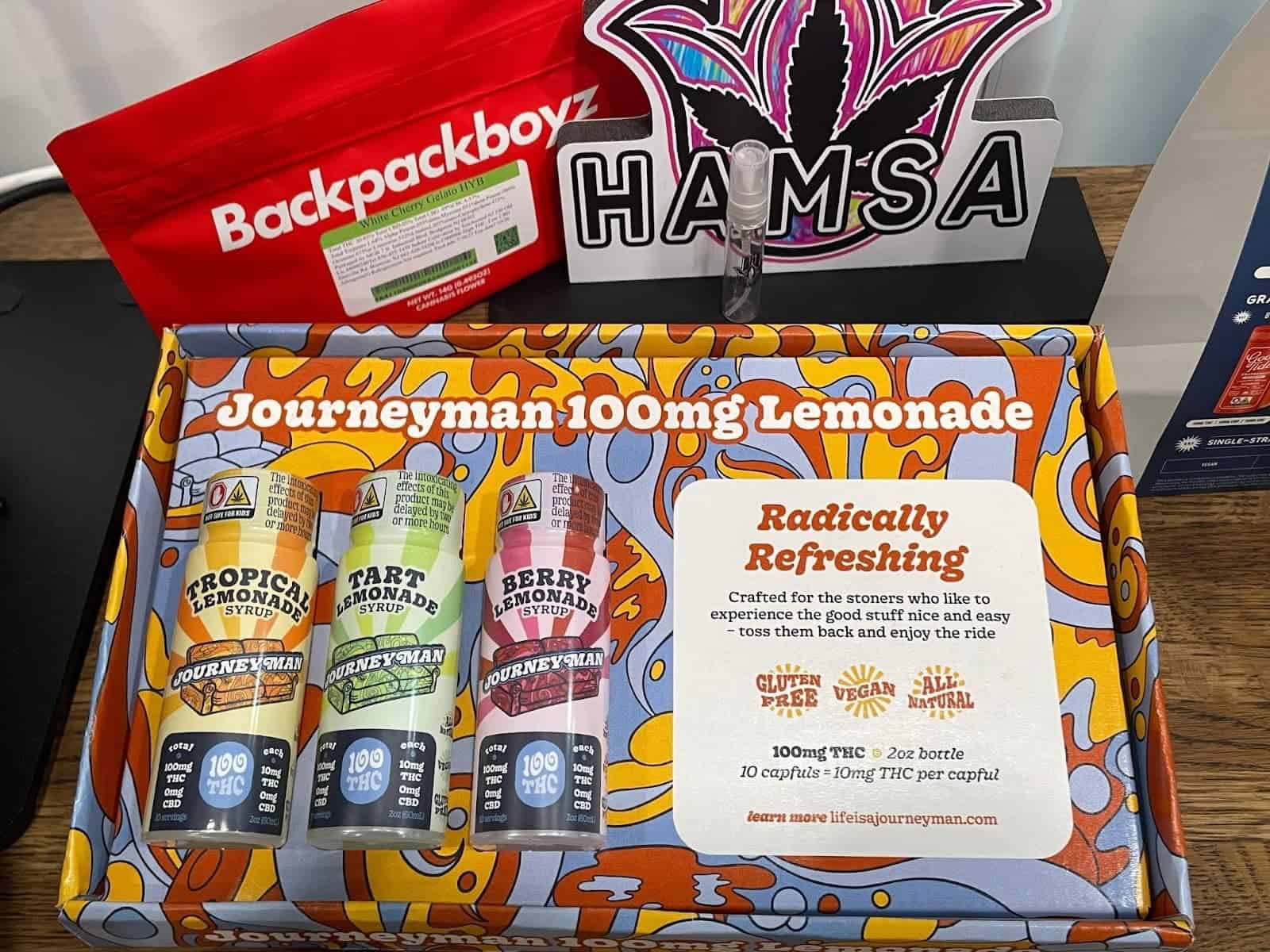
Cannabis drinks are beverages infused with cannabis-derived cannabinoids most commonly THC or CBD and can produce anything from gentle relaxation to noticeable psychoactive effects depending on formulation and dose. Below, we walk through what these drinks are, how they’re made, how quickly they act compared with alcohol and other edibles, and what to keep in mind for safe, informed use. You’ll find clear explanations of technical differences (for example, nano-emulsification vs. conventional infusion), typical onset and duration windows, and practical options for shoppers in Jersey City. We also compare THC drinks to alcohol in social situations, summarize 2025 research and tradeoffs, and offer concrete tips for accurate dosing and microdosing. Finally, local guidance covers legal purchase steps and how dispensary delivery works, plus examples of beverages carried by a Jersey City dispensary so you can explore options with confidence.
Key Differences Between Cannabis Drinks and Regular Beverages
Cannabis drinks are liquid products designed to deliver measured doses of cannabinoids like THC and CBD. They differ from ordinary beverages in three main ways: psychoactivity, dose transparency, and the formulation methods used to get cannabinoids into water-based drinks. Makers either infuse oils or use techniques such as nano-emulsification to suspend tiny cannabinoid droplets in water, which can change how quickly and predictably the body absorbs them versus fat-based edibles. Labels usually list milligrams of THC/CBD per serving so you can compare potency and choose microdosing-friendly options. Producers also use flavoring and carbonation to mask hempy notes and create an enjoyable drinking experience. Knowing these manufacturing and labeling differences helps you pick a product that matches your goal whether that’s relaxation, swapping a drink for alcohol, or targeted wellness.
Cannabis beverages cover a broad spectrum from THC seltzers and fast-acting cocktail-style drinks to CBD sparkling waters and herbal cannabinoid teas each serving different use cases depending on cannabinoid profile and dose. Here’s a quick overview of common formats and why people choose them.
- THC seltzers: fizzy, often low-calorie options made for social or recreational settings.
- Fast-acting THC cocktails: formulated for quicker onset and predictable, measured effects in social situations.
- CBD sparkling waters: designed for relaxation or recovery without intoxication.
- THC teas and tincture-infused drinks: often used in evening routines or for sleep support.
These product types fall under the broader category of “infused beverages” and reflect different design choices and use intentions. If you’re shopping in Jersey City, local dispensaries keep a beverages category that shows these options; for example, Uforia Dispensary lists fast-acting cocktail formats like Cherry 10MG Fast Acting Cocktail and Watermelon Lemonade 10MG Fast Acting Cocktail from BAKED CHICKEN, which highlight how brands present dose and onset details for shoppers.
Different beverage classes have measurable attributes that affect user experience and choice; the table below breaks those attributes into a clear entity-attribute-value format for easy comparison.
Different beverage classes have measurable attributes that affect user experience and choice.
| Beverage Type | Attribute | Value |
|---|---|---|
| THC drink | Psychoactive | Yes (variable by mg THC) |
| THC drink | Typical onset | Fast-acting products: ~15–45 minutes |
| THC drink | Typical duration | 2–6 hours depending on dose |
| CBD drink | Psychoactive | No (non-intoxicating at common doses) |
| CBD drink | Typical onset | 30–90 minutes (formulation dependent) |
| Alcoholic beverage | Psychoactive | Yes (ethanol intoxication) |
| Alcoholic beverage | Typical onset | Immediate to 30 minutes |
| Non-alcoholic beverage | Psychoactive | No |
| Non-alcoholic beverage | Typical onset | N/A |
This breakdown highlights key differences in psychoactivity and timing so you can decide whether a given drink matches your goals. Onset, duration, and psychoactivity directly inform safer dosing and situational choices.
What Types of Cannabis Beverages Are Available?
Cannabis beverages come in formats that serve different intentions: social substitution, microdosing, and wellness support. THC seltzers and fast-acting cocktails are built for social occasions with measured THC per serving, while CBD sparkling waters and herbal blends focus on relaxation without intoxication. You’ll also find functional blends that pair small cannabinoid doses with adaptogens or nootropics to support sleep, focus, or stress relief. Which format you choose should align with your goal, a discreet social option like a seltzer, or a calming tea for evening use.
These distinctions matter for label reading and dosing strategy; knowing the typical cannabinoid profile for each type makes it easier to pick the right product. The next section explains how production methods shape onset and predictability.
How Are Cannabis Drinks Made Compared to Regular Beverages?
Cannabis drinks are made either by directly infusing cannabinoid-containing oils or by using advanced methods like nano-emulsification, which breaks cannabinoid molecules into tiny droplets that stay suspended in water. Nano-emulsions increase surface area and can speed absorption across the mouth and gut, shortening onset compared with fat-based edible drinks. Quality control and lab testing, potency, residual solvents, and contaminants—are central to compliant production, and accurate per-serving THC/CBD labeling is required. Regular beverage manufacture focuses on flavor, carbonation, and shelf life and doesn’t include cannabinoid-specific testing, which is why cannabis drinks come with extra regulatory labeling and why consumers should pay close attention to dose information.
That manufacturing contrast explains why onset and predictability vary between cannabis beverages and standard drinks, and why reading labels and understanding formulation is important before you consume.
How Do THC Drinks Compare to Alcohol in Effects and Experience?
THC drinks and alcoholic beverages both change how you feel, but they work through different biological systems and produce different impairment profiles. Alcohol primarily depresses the central nervous system, impairing coordination and decision-making in a dose-dependent way and often producing immediate social lubrication and later hangover symptoms. THC acts on the endocannabinoid system and commonly brings relaxation, altered sensory perception, and time-perception changes; impairment can include slowed reactions and altered judgment, but the subjective effects and safety implications differ from ethanol. Knowing these differences helps you choose the right substance for the occasion and reduce risks—especially around driving or mixing substances.
To make those differences clearer, the comparison below highlights key experiential and safety attributes in an entity-attribute-value format.
A focused comparison clarifies how THC drinks and alcohol differ across common consumer concerns.
| Substance | Attribute | Value |
|---|---|---|
| THC drink | Impairment type | Cognitive alteration, slowed reaction time, variable coordination |
| THC drink | Hangover risk | Lower hangover incidence but possible next-day lethargy |
| THC drink | Social effects | Relaxation, altered perception, may reduce alcohol consumption |
| Alcohol | Impairment type | Depressant effects, significant coordination and judgment impairment |
| Alcohol | Hangover risk | Higher hangover likelihood (dehydration, metabolites) |
| Alcohol | Social effects | Immediate disinhibition, widely used in social rituals |
This table shows that while both substances impair, the nature and secondary effects differ, and that matters for safety planning and substitution choices.
What Are the Psychoactive Effects of THC Drinks vs Alcohol?
THC drinks typically produce relaxation, mild euphoria, sensory changes, and altered time perception; intensity depends on dose, THC-to-CBD ratio, and personal tolerance. Alcohol’s psychoactive profile centers on sedation, disinhibition, and impaired motor skills, usually escalating with blood alcohol level. Because THC and alcohol act on different neural systems endocannabinoid versus GABA/glutamate the feeling of intoxication differs, and combining them can increase impairment unpredictably. Through 2025, some studies and market data show users substituting THC drinks for alcohol to avoid calories or hangovers, but long-term comparative health data are still limited.
Knowing these psychoactive differences helps you make safer situational and dosing choices when selecting a social beverage alternative.
How Do Onset Time and Duration Differ Between Cannabis Drinks and Alcohol?
Onset and duration depend on formulation. Many fast-acting THC drinks using nano-emulsions can produce effects in roughly 15–45 minutes, peak in 1–2 hours, and taper over several hours. Alcohol’s effects are often felt within minutes, with peak intensity depending on absorption and consumption rate. Non-emulsified or fat-based cannabinoid beverages and edibles typically take longer, often 45–120 minutes because they rely on digestion. Factors like stomach contents, metabolism, and whether a product uses nano-emulsification all shift these windows, so harm-reduction advice emphasizes waiting the full expected onset before re-dosing. Anticipating timing correctly lowers the risk of overconsumption and helps you plan events safely.
These timing differences feed directly into dosing strategies and harm-reduction practices covered below.
What Are the Health Benefits and Risks of Cannabis Drinks Compared to Alcohol?
Cannabis drinks are sometimes marketed as lower-calorie or lower-hangover alternatives to alcohol, and early 2025 market research shows some users report reduced alcohol intake after switching to THC beverages. Reported benefits include fewer calories, less next-day malaise for some people, and easier microdosing. Risks include acute side effects like anxiety, excessive sedation, or cognitive impairment, and we still lack strong long-term data comparing harms with alcohol. A balanced approach weighs immediate goals social relaxation or sleep support against acute risks and the current limits of longitudinal research.
To summarize common claims and research caveats, here are a few points worth noting.
Commonly reported health tradeoffs and research caveats:
- Reduced caloric intake compared with many alcoholic drinks is a frequently reported benefit.
- Lower reported hangover incidence is often anecdotal and needs more controlled study.
- Some 2025 trend data suggest reduced alcohol consumption among certain users, but results vary by demographic and pattern of use.
Understanding both potential benefits and research limitations helps you make an informed choice about substituting THC drinks for alcohol. The next section lists common side effects and practical steps for handling adverse reactions.
Are THC Drinks Healthier Than Alcohol?
Saying THC drinks are categorically healthier than alcohol is premature. Short-term benefits, fewer calories or milder next-day effects are real for many users, but they don’t remove acute risks like anxiety, impaired judgment, or potential dependence in vulnerable individuals. A fair assessment considers dose, frequency, and personal medical context; recent 2025 studies highlight that long-term population-level evidence is still developing. As with any psychoactive substance, moderation, clear dosing, and situational safety (for example, not driving) matter most. Treat “healthier” claims with caution and rely on evidence-based harm reduction.
That perspective leads into practical risk mitigation covered next.
What Are the Potential Side Effects of Cannabis Beverages vs Alcohol?
Cannabis beverages can cause dry mouth, drowsiness, dizziness, anxiety or paranoia at higher doses, and impaired coordination or short-term memory disruptions. Alcohol commonly causes nausea, impaired motor skills, disinhibition, and hangovers due to metabolic byproducts. Both substances increase risk when mixed with other medications or used in large amounts. If adverse effects arise, stay hydrated, move to a safe, calm environment, and seek medical help if you experience severe anxiety, chest pain, fainting, or anything that feels dangerous. Avoid mixing cannabis drinks with prescription sedatives and don’t take large, rapid doses to reduce the chance of serious adverse events.
- Common cannabis beverage side effects: anxiety, dizziness, and sedation.
- Common alcohol side effects: nausea, dehydration, and impaired judgment.
- If an adverse reaction occurs, prioritize safety, hydration, and medical care when needed.
How Do Cannabis Drinks Compare to Other Cannabis Edibles?
Cannabis drinks and solid edibles (gummies, chocolates) differ mainly in onset predictability, dose control, and user experience. Nano-emulsified drinks tend to act faster and offer more predictable absorption than fat-based gummies, while traditional edibles rely on digestion and often have delayed onset with a longer duration. Dose control can be easier with single-serve beverages that list mg THC per serving, whereas homemade or inconsistent edibles carry a higher risk of uneven potency. Portability, discretion, and flavor preferences also shape choice; a gummy may be more discreet, while a beverage can feel more social or familiar.
Below is a clear comparison of onset and duration between drinks and common edibles for quick reference.
A concise comparison captures typical timing differences between drinks and edibles.
| Product Category | Attribute | Value |
|---|---|---|
| Fast-acting THC drink | Typical onset | ~15–45 minutes |
| Fast-acting THC drink | Typical duration | 2–6 hours |
| Traditional edible (gummy) | Typical onset | 45–120 minutes |
| Traditional edible (gummy) | Typical duration | 4–8 hours |
| Chocolate/ baked edible | Dosage variability | Higher risk of variable dosing without lab testing |
This table shows why dosing and expected duration differ, and why you should adapt re-dosing intervals to the product format.
What Are the Differences in Onset and Duration Between Cannabis Drinks and Edibles?
Fast-acting, nano-emulsified beverages shorten onset compared with many edibles because their formulation improves absorption in the mouth and gut; some products can act in as little as 15 minutes. Gummies and other fat-based edibles usually take longer because they require digestion before cannabinoids are released, which also extends total duration. Practically, drinks give faster feedback and can be easier to microdose, while edibles require more patience and a longer wait before assessing effect. Knowing these timing differences helps prevent accidental overconsumption and lets you choose the right format for your plans.
This timing discussion connects directly to dosage control and labeling, which we cover next.
How Does Dosage Control Differ Between Cannabis Beverages and Edibles?
Beverages often come in single-serve packaging with clear mg-THC-per-serving labels, which supports microdosing strategies starting at 2.5–5 mg THC when the product allows. Edibles also commonly list mg per portion, but manufacturing variability or homemade products can make potency less predictable. Best practice: follow label directions, start low, and wait the full onset period before re-dosing. Reputable products include lab-verified potency and batch testing to improve predictability. Clear dosing leads to safer experiences and helps you tailor effects to social, wellness, or sleep goals.
Next, we cover how to buy and use cannabis drinks responsibly in Jersey City, including delivery options.
How Can You Buy and Use Cannabis Drinks Responsibly in Jersey City?
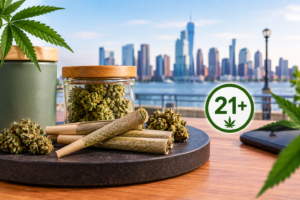
Buying and using cannabis drinks responsibly in Jersey City means knowing legal age limits, ID steps, and local retail or delivery options. In New Jersey, recreational customers must be 21 or older and present valid ID at purchase or delivery; licensed dispensaries and delivery services follow state testing and labeling rules so you can verify mg THC per serving. Ordering through a licensed dispensary delivery service usually involves creating an account, verifying identity, choosing products from a beverage menu, and scheduling a secure, ID-checked delivery to an eligible address. Understanding that process helps Jersey City residents buy tested products and avoid unregulated sources.
Below is an entity-attribute-value table listing local product examples available through a Jersey City dispensary beverages category, showing how product entries commonly display key attributes.
This table lists representative beverage products and attributes available locally.
| Product | Attribute | Value |
|---|---|---|
| Cherry 10MG Fast Acting Cocktail | Brand | BAKED CHICKEN |
| Cherry 10MG Fast Acting Cocktail | THC | 10 mg per serving (fast-acting) |
| Watermelon Lemonade 10MG Fast Acting Cocktail | Brand | BAKED CHICKEN |
| Watermelon Lemonade 10MG Fast Acting Cocktail | THC | 10 mg per serving (fast-acting) |
| Beverages Category | Availability | Offered via licensed dispensary menu and delivery in Jersey City |
What Cannabis Beverage Products Does Uforia Dispensary Offer?
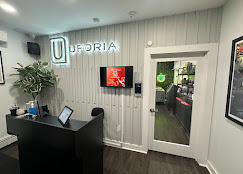
Uforia Dispensary’s beverages category includes fast-acting THC cocktail formats and other infused drink options that reflect the market’s move toward measured, social-friendly beverages. Examples include Cherry 10MG Fast Acting Cocktail and Watermelon Lemonade 10MG Fast Acting Cocktail from BAKED CHICKEN each listed at 10 mg THC per serving and described as fast-acting. These entries show how local menus present dose and onset so shoppers can compare options and choose microdose or standard-dose products based on tolerance and occasion. If you want help picking a product, our knowledgeable staff at licensed dispensaries can explain serving sizes and expected effects.
How Does Cannabis Beverage Delivery Work in Jersey City?
Licensed dispensary delivery services typically follow three clear steps: place an order through a regulated menu, verify age and identity at purchase and delivery, and complete a secure handoff to an adult at the delivery address. Customers must be 21+ and present valid ID when the driver arrives; drivers confirm identity and finalize the sale in a compliant way. Service areas often include Jersey City and nearby towns such as Secaucus and Weehawken, giving local adults convenient access. Expect delivery windows, ID checks, and packaging that protects product integrity while displaying potency and safety information.
What Are the Legal Considerations for THC Drinks in New Jersey?
New Jersey requires recreational consumers to be 21 or older to purchase THC products, and licensed retailers and delivery services must follow state rules for labeling, testing, and packaging. Check official New Jersey Cannabis Regulatory Commission resources for the latest regulations. Possession limits, public consumption rules, and transport restrictions apply under state law, and dispensaries operate within those rules to ensure safety and compliance. Always carry valid ID when purchasing or receiving delivery, and avoid consuming cannabis beverages in public places where use is prohibited.
What Are Best Practices for Responsible Consumption of Cannabis Drinks?
Responsible consumption focuses on harm reduction: start with a low dose, wait the full onset time before re-dosing, avoid mixing with alcohol or sedatives, and never drive while impaired. Microdosing often begins at 2.5–5 mg THC when labeling and formulation allow it; keeping a consumption journal helps you learn your sensitivity over time. Environmental factors, hydration, food, and setting affect effects, so pick a familiar, safe space for first-time use. These steps reduce the chance of adverse reactions and make it easier to add cannabis beverages into social or wellness routines safely.
Below is a practical, ordered list of harm-reduction steps to follow.
A clear set of ordered steps helps readers practice safer consumption.
- Check the label: Confirm mg THC/CBD per serving and any onset guidance.
- Start low: Begin with 2.5–5 mg THC for microdosing if the product supports that serving size.
- Wait before re-dosing: Allow the full stated onset (15–120 minutes depending on formulation) before taking more.
- Avoid mixing substances: Do not combine cannabis drinks with alcohol or sedating medications.
- Plan for safety: Arrange a safe ride or stay in a sober environment until effects wear off.
How Should Beginners Start with Cannabis Beverages?
If you’re new, start conservatively, often 2.5 — 5 mg THC when available and wait the full manufacturer-recommended onset before taking more to avoid stacking effects. Choose a calm, familiar setting with a supportive company and avoid driving or operating machinery until you know how a product affects you. Keep water and light snacks on hand and have local medical contact info available should you need it. When buying from a licensed dispensary, ask staff for product-specific dosing guidance and consider keeping a short consumption log to fine-tune future doses.
What Are Common Misconceptions About Cannabis Drinks?
Several common myths can lead to unsafe choices. Some people assume cannabis drinks always act slowly or that they never impair both are false and risky. Fast-acting, nano-emulsified products can take effect in 15–45 minutes, and any THC-containing drink can impair judgment and motor skills. Another misconception is that lower calories mean lower risk; caloric content has nothing to do with psychoactive or drug-interaction risk. Clearing up these myths helps you use beverages thoughtfully and safely.
- Myth: Cannabis drinks are never impaired. Fact: THC-containing drinks can impair cognition and motor skills.
- Myth: All cannabis drinks act slowly. Fact: Fast-acting nano-emulsified products can onset in 15–45 minutes.
- Myth: Low calories mean low risk. Fact: Caloric content is unrelated to psychoactive risk.
Dispelling these misconceptions helps readers approach cannabis beverages with the right expectations and seek professional support when needed.
Local dispensaries can provide ongoing support helping with dosing education and safe-use tips. Uforia Dispensary emphasizes knowledgeable staff who help customers interpret labels and dosing, and our loyalty rewards program supports repeat customers who prioritize safety and education when trying new beverage formats. That mix of education and incentives helps adult users make gradual, informed choices.
- Stay informed: Use lab-verified product information and staff guidance.
- Use loyalty programs responsibly: Choose programs that reinforce safe purchasing and education.
- Prioritize compliance: Follow New Jersey rules and retailer guidance for safe, legal consumption.
These final practical steps complete your local roadmap for choosing, using, and sourcing cannabis beverages safely in Jersey City.
Frequently Asked Questions
What should I consider when choosing a cannabis drink for the first time?
When trying a cannabis drink for the first time, think about the cannabinoid content (THC vs. CBD), the effects you want, and your personal tolerance. Start low around 2.5–5 mg THC, to gauge your response. Pick a comfortable, familiar environment and have water and snacks available. If you’re at a licensed dispensary, our staff can offer product-specific guidance and dosing tips.
How do I know if a cannabis drink is safe to consume?
Check for clear labeling that lists THC/CBD content, serving size, and lab testing results. Buy from licensed retailers that follow state testing and packaging rules to ensure accuracy and safety. Avoid unregulated sources, and consult a healthcare professional if you have health conditions or take medications that might interact with cannabis.
Can cannabis drinks be mixed with other substances?
Mixing cannabis drinks with alcohol or sedatives is generally not recommended because it can increase impairment and produce unpredictable effects. If you do choose to combine substances, proceed with extreme caution and be aware of how each affects you individually. Never drive or operate machinery after mixing substances.
What are the legal age requirements for purchasing cannabis drinks in New Jersey?
In New Jersey, you must be 21 or older to buy cannabis drinks and other THC products. Valid identification is required at the point of sale or upon delivery. Be aware of possession limits and local rules on public consumption violating them can carry legal consequences. Stay up to date with state guidance for the latest rules.
How can I manage the effects of cannabis drinks if I feel uncomfortable?
If you feel uncomfortable after consuming a cannabis drink, stay calm and hydrate. Move to a safe, quiet space and use calming techniques like slow breathing or listening to soothing music. If symptoms persist or worsen severe anxiety, chest pain, and fainting seek medical help. Keep local medical contact info handy for emergencies.
Are there any specific health conditions that may affect cannabis drink consumption?
Yes. People with a history of anxiety or panic disorder may be more likely to experience heightened anxiety or paranoia with THC. Those with liver conditions or taking medications metabolized by the liver should consult a healthcare provider before using cannabis products. Always give your medical history to a clinician if you seek personalized advice about cannabis use and potential interactions.
What are the best practices for storing cannabis drinks?
Store cannabis drinks in a cool, dark place away from direct sunlight and heat. Keep containers tightly sealed to limit air exposure, which can degrade cannabinoids, and use products before any listed expiration date. Always keep cannabis products out of reach of children and pets.
Conclusion
Cannabis drinks offer precise dosing and new social options that can serve as an alternative to traditional alcoholic beverages for some people. Understanding formulation, onset, and effects helps you make choices that match your wellness or recreational goals. For Jersey City residents, following local rules and getting guidance from knowledgeable dispensary staff makes exploring these beverages safer and more enjoyable. Browse our curated selection of cannabis drinks to find the right fit for your next gathering or a quiet night in.