Spotting Quality Cannabis: Key Differences
High-grade cannabis flower means buds that were grown, cured, and tested with care. Low-grade flower often called “mids” or “schwag” shows signs of poor handling, thin trichome coverage, or contamination. Knowing these differences helps shoppers in Jersey City and nearby communities choose safer, tastier, and more predictable products for both recreation and wellness. This guide walks you through the visual, chemical, tactile, and lab-based clues that separate premium flower from low-quality product, explains how to read COAs, and gives practical tips for in-person inspection, shopping, and storage. You’ll learn to assess trichome coverage, terpene profiles, moisture balance, cannabinoid ratios, and COAs. The content is organized into six focused sections: visual indicators, terpene influence, texture and moisture, cannabinoids and lab testing, benefits of premium flower, and how Uforia Dispensary can help local shoppers find top-shelf options. By the end, you’ll be able to spot high-quality flower, interpret lab data, and make safer, more satisfying purchases.
Key Visual Signs of High-Quality vs Low-Quality Cannabis Flower
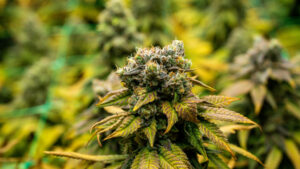
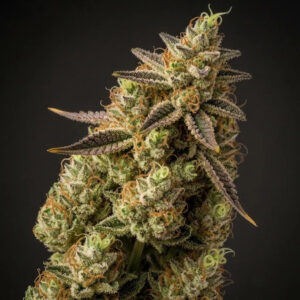
A quick visual check is often the fastest way to judge cannabis quality because appearance reflects how a plant was grown and handled after harvest. Premium flower shows heavy trichome coverage, lively color, dense bud structure, and a neat trim. Low-grade flower looks leafy, faded, or full of seeds and stems. These visual cues point to chemical density and post-harvest care trichome abundance relates to cannabinoids and terpenes, while pistil and color health suggest proper curing and good genetics. Use a short visual checklist to compare samples quickly and favor lab-tested, top-shelf flower. The table below highlights the key features to look for under normal light or with a loupe before buying.
The table below compares common visual features between premium and low-grade flower.
| Entity | Attribute | Value |
|---|---|---|
| Trichome Coverage | Density & visibility | Premium: Dense, frosty capitate-stalked trichomes; Low-Grade: Sparse or degraded trichomes |
| Color | Hue and vibrancy | Premium: Bright greens, purples, amber pistils; Low-Grade: Dull brown/olive, oxidized tones |
| Bud Density | Structure | Premium: Tight, resinous nugs; Low-Grade: Fluffy, leafy, airy buds |
| Trim Quality | Manicure | Premium: Minimal sugar leaf, neat trim; Low-Grade: Excess leaf, loose stems |
| Presence of Seeds | Seed count | Premium: None or negligible; Low-Grade: Seeds present, many stems |
How Do Trichomes and Color Reveal Cannabis Quality?
Trichomes are the tiny glands on a bud that make cannabinoids and terpenes. A frosty, dense trichome layer usually signals higher resin and aroma compound content so you can expect stronger flavor and more noticeable effects. Those capitate-stalked trichomes contain THC, CBD, and terpene-rich secretions, so trichome abundance is a useful visual proxy for chemical density. Color matters too: healthy genetics and careful curing show up as vibrant greens or purples with orange or amber pistils. Brown or gray tones suggest age or oxidation. Looking at trichome color milky versus amber can also help you gauge maturity and the likely cannabinoid profile, which guides selection for either psychoactive or therapeutic goals. Noting trichome condition and color sets you up to spot visual red flags that point to low-grade flower or possible contamination.
Characterizing Cannabis Flower Quality: Automatic Trichome Analysis for Maturation Assessment
This study highlights a need for objective, quantitative methods to assess flower development. Trichome gland density and shape are strong indicators of cannabinoid and terpene production, so automated image analysis can help evaluate maturation and overall flower quality. Characterization of trichome phenotypes to assess maturation and flower development in Cannabis sativa L. by automatic trichome gland analysis, ZK Punja, 2023
What Visual Signs Indicate Low-Grade Cannabis?
Low-grade cannabis usually shows easy-to-spot warning signs: lots of seeds and stems, brown or gray discoloration, white or powdery fuzz from mildew, or a sloppy trim with big fan leaves left on. Those issues point to poor cultivation or careless post-harvest handling seeds mean pollination and lower cannabinoid yield, and visible mold or mildew means unsafe storage or harvest conditions. Buds that are overly dry, browned, or mechanically damaged have likely lost terpenes and cannabinoids and will smoke harsher and taste flat. If you spot these red flags, skip the purchase, ask for COA-backed product, or request another top-shelf option. After spotting visual issues, the next step is assessing aroma and flavor specifically, how terpenes shape perceived quality.
How Do Terpenes Affect Cannabis Aroma and Flavor Quality?
Terpenes are the aromatic molecules that give cannabis its smell and a lot of its flavor. They shape complexity citrus, pine, earth, or pepper notes and they interact with cannabinoids to influence the overall experience. Terpenes are volatile, so good curing and storage are key to preserving them. Proper terpene profiles boost flavor and can subtly change effects through the entourage phenomenon, where terpenes and cannabinoids work together. Asking for terpene data on a COA or choosing strains known for a particular profile helps you match aroma and experience to your goals.
Below is a concise list of common terpene-dominant profiles you’ll encounter and the typical aromas and perceived effects they produce.
- Myrcene: Earthy, clove-like notes; often linked with relaxing, sedative sensations.
- Limonene: Bright citrus; commonly associated with uplifting, energizing feelings.
- Pinene: Pine-like freshness; tied to alertness and clearer breathing.
- Caryophyllene: Spicy, peppery tones; interacts with cannabinoid receptors and may support anti-inflammatory effects.
What Terpene Profiles Are Common in Premium Cannabis Flower?
Premium flower usually presents a balanced terpene bouquet, with one or two terpenes leading and several minor terpenes adding depth. Common dominant terpenes include myrcene, limonene, pinene, and caryophyllene. A citrus-forward sativa will lean on limonene and pinene for bright aromatics and an uplifting feel, while an indica-leaning cultivar often contains more myrcene and caryophyllene for earthier, relaxing notes. Recent research through mid-2024 supports that terpene diversity matters beyond THC percentage, so asking for terpene results on a COA helps you pick strains that match both flavor and functional goals.
Preserving and Augmenting Volatile Terpenes in Cannabis for Optimal Quality
Terpenes shape aroma, flavor, and some pharmacological properties of cannabis, but they’re volatile and decline with age. This research explores packaging methods to preserve native terpenes and to replenish depleted profiles over storage durations. The preservation and augmentation of volatile terpenes in cannabis inflorescence, J. Bueno, 2020
How Does Improper Curing Impact Terpene Preservation?
Rushing or mishandling the cure wrong temperature, humidity, or timing lets volatile terpenes evaporate or oxidize. That leaves flower smelling hay-like, flat, or musty instead of layered and complex. Curing is the slow, controlled drying and maturation step that stabilizes moisture and protects volatile compounds; when it’s done poorly, terpenes are lost or converted into less desirable compounds. Signs of a bad cure include weak aroma, brittle texture, and acrid smoke. Well-cured flower smells layered and smooth. Terpene preservation also ties directly to storage and handling, which we cover next when we look at tactile and moisture indicators of freshness.
What Texture and Moisture Characteristics Differentiate High-Grade from Low-Grade Cannabis?
Texture and moisture reveal how well a bud was dried and cured. Premium flower hits a sweet spot: slightly springy, resinous, and it snaps when broken. Low-grade flower is often either overly dry and powdery or too wet and spongy both signal processing problems. Moisture influences burn quality, terpene retention, and microbial risk. An optimal moisture range keeps aroma and prevents mold; over-wet buds invite mildew, while under-dried buds burn hot and harsh. Use simple tactile checks squeeze, snap, and stickiness to judge freshness before buying. Below are three quick tests you can do in a dispensary or when inspecting samples.
- Squeeze Test: Gently compress a bud premium flower yields slightly and bounces back, showing balanced moisture.
- Snap Test: Break a small stem a clean snap indicates proper curing; a bend or crush suggests excess moisture.
- Stickiness Check: A light resin on the fingers points to active trichomes and good terpene retention.
These tactile checks help you separate fresh, craft-grown flower from old or mishandled product and prompt you to request lab verification when signs are unclear.
The following table documents tactile characteristics and ideal moisture indicators compared with poor moisture control signs to make comparisons straightforward.
| Entity | Attribute | Value |
|---|---|---|
| Moisture Content | Optimal range | Premium: Balanced (not >13-14%); Low-Grade: Overly dry or >17-18% when wet |
| Texture | Feel & response | Premium: Slightly sticky, springy, resinous; Low-Grade: Brittle or spongy |
| Snap Test | Result when broken | Premium: Clean snap of stems; Low-Grade: Bends or crumbles |
| Mold Risk | Likelihood | Premium: Low if dried/cured correctly; Low-Grade: Higher with damp or improperly stored buds |
How Should High-Quality Cannabis Feel to the Touch?
Good flower will feel slightly tacky from resin but not wet, with a springy interior that compresses gently and returns to shape signs of balanced moisture and proper curing. The snap test on small stems should be crisp, showing the bud is dry enough to burn cleanly. That subtle tack on your fingers comes from trichome resin and usually means active cannabinoids and terpenes are present. These quick tactile checks, used with visual inspection, give a reliable first pass before you dive into lab data.
What Are the Signs of Poor Texture and Moisture in Low-Grade Cannabis?
Poor texture shows up as brittle, powdery buds that crumble, or wet, spongy buds that won’t snap and smell musty both indicate improper drying or storage that hurts flavor and safety. Over-dried flower loses terpenes and becomes harsh; damp flower creates a breeding ground for mold and mildew, which is a health risk if inhaled. Spotting these tactile warning signs helps you avoid low-quality product and choose COA-backed options or licensed dispensaries that emphasize correct post-harvest practices.
Medical Cannabis User Evaluation: Assessing Herbal Preparations by Appearance and Smoking Characteristics
A randomized crossover trial asked experienced medical users to rate different cannabis preparations on appearance, humidity, grind size, and smoking characteristics such as burn rate and harshness. Results show how humidity and preparation affect user perception and smoking quality. Evaluation of herbal cannabis characteristics by medical users: a randomized trial, 2006
How Do Cannabinoids and Lab Testing Confirm Cannabis Flower Quality?
Cannabinoid profiles and third-party lab testing give objective confirmation of potency, reveal minor cannabinoids, and screen for contaminants together they provide a safety and quality baseline beyond what you can see or feel. Lab reports or Certificates of Analysis (COAs) list THC and CBD percentages, minor cannabinoids, terpene profiles, and contaminant screens for pesticides, molds, and heavy metals. Reading these results helps you verify product claims and avoid unsafe lots. The comparison below contrasts a sample premium profile with a typical low-grade profile so you can see what COA differences look like in practice. Always prefer recent test dates and reputable third-party labs when choosing flower.
| Entity | Attribute | Value |
|---|---|---|
| Premium Sample | THC / CBD / Terpenes | THC: 20–28%; CBD: <1–2%; Predominant terpenes: limonene, caryophyllene |
| Low-Grade Sample | THC / CBD / Terpenes | THC: 8–12%; CBD: variable; Predominant terpenes: low overall, muted aroma |
| Contaminant Screen | Pesticides / Molds / Metals | Premium: Non-detect or below limits; Low-Grade: Possible detects or untested |
| Lab Verification | COA availability | Premium: COA provided and recent; Low-Grade: No COA or outdated testing |
Why Are Balanced Cannabinoid Profiles Important in Premium Flower?
Balanced cannabinoid profiles where THC is complemented by measurable CBD and minor cannabinoids like CBG or CBC often reflect careful breeding and growing practices that deliver smoother, more nuanced effects. Ratios such as THC:CBD influence psychoactivity and tolerability; small amounts of CBD can blunt THC’s intensity for a more controlled experience. Minor cannabinoids and their interplay with terpenes contribute to the entourage effect, subtly shaping the overall result. Consumers who want consistent, predictable outcomes benefit from transparent profiles so they can match dosing and strains to their goals.
How Does Lab Testing and Certificates of Analysis Ensure Safety and Quality?
Certificates of Analysis (COAs) are third-party reports that list cannabinoid potency, terpene composition, and contaminant screens (pesticides, solvents, microbes, heavy metals). A clear COA lets you make informed choices and lowers the risk of exposure to harmful substances. When reading a COA, check the lab name and accreditation, the test date, cannabinoid percentages, terpene totals, and whether contaminants are non-detectable or below limits. Recent testing and clear labeling increase confidence. Licensed dispensaries often provide COAs on request prioritizing COA-backed products ties you to a regulated supply chain with better traceability and safety than unverified sources.
What Are the Benefits of Choosing High-Grade Cannabis Flower?
Choosing high-grade cannabis delivers clear benefits: more consistent and predictable effects thanks to stable cannabinoid profiles, fuller flavor and aroma from preserved terpenes, and improved safety from third-party testing. Premium flower often gives better value because potency, flavor, and smoothness reduce the need to use more product to get the desired effect. In regulated markets, buying premium flower from licensed sources also supports traceability and accountability, lowering the chance of harmful adulterants. The quick list below summarizes the main consumer-facing benefits so you can weigh value versus price.
- Consistent Effects: Reliable cannabinoid profiles for predictable dosing and repeatable outcomes.
- Superior Flavor: Preserved terpenes deliver complex aromas and a better taste.
- Enhanced Safety: COA-backed products lower exposure to pesticides, molds, and heavy metals.
- Better Burn & Smoothness: Proper curing results in cleaner combustion and less throat irritation.
These advantages explain why investing in top-shelf flower often leads to a superior experience and safer consumption plus they show the value licensed dispensaries add when sourcing and testing product.
How Does Premium Cannabis Enhance User Experience and Wellness?
Premium cannabis improves experience by delivering consistent cannabinoid doses, nuanced terpene-driven flavors, and smoother smoke that together create predictable recreational or therapeutic effects. For wellness-focused users, choosing strains with specific terpene and cannabinoid profiles helps target symptoms like relaxation, focus, or mild pain relief while minimizing unwanted side effects from unknown potency. Cleaner flavor and reduced harshness make responsible dosing easier and more enjoyable. These benefits come from craft cultivation, precise curing, and verified lab testing so what’s on the label matches what’s in the jar.
Why Is Safety and Consistency Better with High-Grade Cannabis?
High-grade cannabis benefits from regulated cultivation and third-party testing, which reduce contaminant risk and help ensure uniform potency across batches. Licensed supply chains offer traceability from farm to retail, making it easier to resolve quality issues and enforcing testing standards. Consistent growing conditions, skilled trimming, and proper curing lower variability so the same product performs similarly over time. That reliability is especially important for users managing dosing and wellness outcomes where predictability matters.
How Can Uforia Dispensary Help You Find Premium Cannabis Flower in Jersey City?
Uforia Dispensary is a licensed retail and delivery service helping adults in Jersey City and nearby neighborhoods access curated, premium strains backed by knowledgeable staff. We focus on convenient, discreet delivery across Jersey City, Secaucus, and Weehawken so you can get top-shelf flower without compromising quality or safety. Our collection features carefully selected strains, and our team supports your choices with COA-backed recommendations and one-on-one guidance to match products with your goals. We also run a loyalty rewards program so returning customers can earn points toward discounts and exclusive offers making premium flower more accessible over time.
This overview leads into the specific trust and selection features that make Uforia a practical choice for local shoppers who prioritize quality and convenience.
What Makes Uforia’s Cannabis Selection Unique and Trusted?
Uforia’s lineup is curated for quality high trichome density, strong terpene profiles, and consistent cannabinoid ratios paired with staff who help you choose strains and dosing that fit your needs. Our licensed status and emphasis on clear information reinforce safety by promoting lab-tested, traceable products. Delivery in Jersey City, Secaucus, and Weehawken adds convenience without sacrificing discretion. Our loyalty program rewards repeat customers with redeemable points for discounts or special offers. Together, these features make Uforia a local resource for customers who want top-shelf, COA-backed products and straightforward guidance.
How to Shop and Store High-Grade Cannabis for Maximum Freshness?
Start shopping by asking for COAs, inspecting trichomes and aroma when possible, and talking to budtenders about cultivation and curing methods to confirm a product matches your safety and effect goals. At home, store premium flower in cool, dark, airtight jars with humidity control packs to keep terpenes and cannabinoids stable avoid heat, direct sunlight, and frequent air exposure, which speed terpene loss. Buying from a licensed local dispensary like Uforia increases the chance of receiving fresh, lab-tested product, and loyalty perks can make premium choices more affordable over time. These shopping and storage habits help preserve flavor, potency, and safety throughout the product’s life.
- Shopping Tips Summary: Ask for COAs, inspect trichomes and smell, verify recent test dates.
- Storage Quick Rules: Use airtight glass jars, keep in a cool dark place, maintain 55–62% relative humidity.
- Handling Advice: Avoid grinding until use, limit air exposure, and use humidity packs for long-term storage.
Following these steps completes the consumer lifecycle from selection to storage and helps you get consistent enjoyment from premium cannabis flower.
| Entity | Attribute | Value |
|---|---|---|
| Storage Container | Best choice | Airtight glass jar with humidity pack |
| Temperature | Ideal range | Cool (15–21°C) to slow terpene loss |
| Humidity Control | Target RH | 55–62% to prevent mold and avoid overdrying |
| Shopping Verification | Best practice | Request COA and inspect trichomes in-store |
- Ask for COAs: Prioritize lab-tested flower to ensure potency and safety.
- Inspect visually and tactilely: Check trichomes, color, and snap before purchase.
- Store correctly: Cool, dark, airtight conditions preserve terpenes and cannabinoids.
These final, actionable steps link the article’s diagnostic approach to everyday habits that help consumers identify, select, and preserve high-grade cannabis while avoiding low-quality alternatives.
Frequently Asked Questions
What are the health risks associated with low-grade cannabis?
Low-grade cannabis can carry health risks if it contains pesticides, molds, or heavy metals issues that often stem from poor growing or post-harvest practices. Inhaling contaminated or moldy product can cause respiratory irritation and other complications. Low-quality flower may also have lower cannabinoid levels, which can lead to higher consumption and greater exposure to contaminants. For safety, choose lab-tested, high-grade cannabis from licensed retailers.
How can I tell if cannabis has been properly cured?
Properly cured cannabis will have a pleasant, layered aroma, a slightly sticky texture, and balanced moisture. When you break a bud, it should snap cleanly rather than crumble or bend. Well-cured flower keeps its trichomes and won’t smell hay-like or musty. If buds feel overly dry or spongey, the cure may be off inspect before you buy.
What role do cannabinoids play in the effects of cannabis?
Cannabinoids like THC and CBD are the main active compounds that interact with the body’s endocannabinoid system. THC produces the psychoactive “high,” while CBD is non-psychoactive and often sought for potential therapeutic effects such as anxiety or inflammation reduction. The balance between cannabinoids influences the character of the experience, so reviewing cannabinoid profiles helps you choose the right product for your needs.
How does the entourage effect enhance cannabis experience?
The entourage effect describes how cannabinoids, terpenes, and other plant compounds work together to shape the overall effect. In practice, terpenes can modulate THC’s impact, producing a more balanced, nuanced experience than isolated compounds alone. Understanding this synergy can guide you toward strains that better match your desired outcome whether relaxation, focus, or pain relief.
What should I look for in a Certificate of Analysis (COA)?
A COA verifies quality and safety. When reviewing one, check the lab’s name and accreditation, the test date, and detailed cannabinoid percentages like THC and CBD. Make sure it includes contaminant screens for pesticides, molds, and heavy metals and that these are non-detectable or below limits. A recent COA increases confidence in the product’s safety and potency.
How can I maximize the freshness of my cannabis at home?
Store cannabis in airtight glass containers in a cool, dark place ideally between 15–21°C (59–70°F). Maintain 55–62% relative humidity to prevent mold while avoiding overdrying. Keep flower away from light, heat, and frequent air exposure, and use humidity control packs for longer storage. These steps help preserve flavor, aroma, and potency.
Conclusion
Knowing how to spot quality cannabis lets you make smarter choices that improve both recreation and wellness. By using visual, tactile, and lab-tested checks, you can confidently select premium products with consistent effects and better flavor. Put your health and satisfaction first by choosing high-grade, COA-backed flower from trusted sources like Uforia Dispensary. Visit our curated selection to elevate your cannabis experience.